

 See My Latest Article on HelloNation

Why Does Roof Ventilation Matter in Catalina Foothills, AZ?
Proper ventilation plays a critical role in protecting homes throughout Catalina Foothills from heat buildup, moisture damage, and roof material wear. In this climate—characterized by high temperatures, intense sun exposure, and low humidity—ventilation requirements can look quite different from those in humid or coastal regions.
Effective airflow under the roof creates a buffer zone, balancing inside and outside temperatures. When done right, it helps preserve indoor comfort and extends the lifespan of roofing materials by reducing extreme temperature swings.
How Does Ventilation Help During Hot, Dry Summers?
Ventilation in the attic or roof cavity becomes vital during prolonged periods of hot weather, which are common across this region. Without adequate airflow, heat that accumulates under the roof can radiate downward, raising indoor temperatures and stressing cooling systems.
Key benefits during summer include:
- Lower attic temperatures, which protect insulation and roofing materials
- Less strain on air conditioners, reducing cooling costs
- Improved comfort throughout living spaces
If a roof cannot vent the hot air rising from sun-heated shingles and tiles, the excess heat becomes trapped. Over time, this can cause shingles to become brittle or curl and shorten their usable life, even on tile or metal roofs.
What Are the Signs of Poor Ventilation?
Several subtle and not-so-subtle signs may indicate that a home's roof isn’t ventilating properly. Homeowners in Catalina Foothills may notice:
- Unusual spikes in summer energy bills, especially during heat waves
- Hot or stuffy rooms on higher floors
- Evidence of mold or mildew, particularly near vents or eaves
- Rust, rot, or swelling of roof decking material
In some cases, visible roof damage or premature aging of materials occurs. However, these issues often start with minor symptoms, so regular checks—especially at season changes—are valuable.
Can Roof Ventilation Prevent Moisture Issues?
Even in areas with dry seasons, moisture can build up within a roof cavity from daily activities such as showering, cooking, or using appliances. Well-designed ventilation allows damp air to escape before it causes condensation on rafters, insulation, or decking.
Risks of accumulated moisture include:
- Wood rot or staining in the attic
- Unpleasant odors or visible mold
- Decreased effectiveness of attic insulation
Local homes, especially older or tightly built ones, sometimes lack pathways for air to flow freely, increasing the chance of trapped humidity after rare storms or during transitional weather.
Are Certain Roofing Materials or Styles More Affected?
The tile roofs and flat or low-slope designs often found in Catalina Foothills create unique ventilation needs. Tile roofs, for example, offer some natural airflow beneath the tiles but still require venting solutions at the ridge and eaves to handle attic heat.
Flat roofs, sometimes used in contemporary builds, may not allow for traditional venting and instead rely on low-profile vents or alternative designs to exhaust warm or moist air. Clay and concrete tiles can also insulate from heat, but the attic space underneath still benefits from outlet vents to prevent heat entrapment.
How Is Ventilation Achieved in Local Homes?
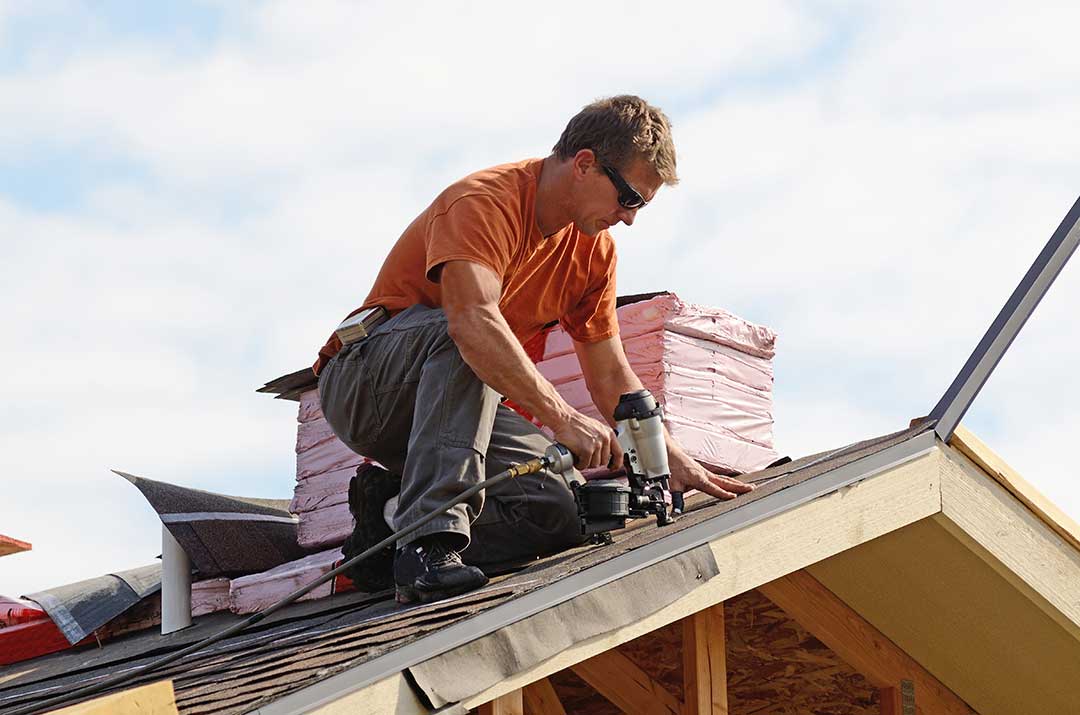
The most common approach in area houses features a balanced system of intake and exhaust vents:
- Intake vents are usually installed near the eaves or soffits to bring cooler air in.
- Ridge or roof vents at the top provide a pathway for hot air to exit.
This continuous airflow—known as passive ventilation—does not use fans or powered mechanisms. In specialized cases, mechanical solutions may be used, especially in larger or more complex roof designs.
Homes built before modern ventilation codes may lack these features, relying on older vent styles or none at all. Residents considering attic insulation upgrades or roof repairs should assess whether the ventilation design matches the home's current needs.
What Common Mistakes Lead to Poor Ventilation?
A few frequent oversights can reduce the effectiveness of roof airflow:
- Blocking soffit vents with insulation, which halts intake air
- Overloading attic storage, restricting air movement
- Placing exhaust vents too close together, which may short-circuit airflow
Covering or painting over vents—sometimes done for aesthetic reasons—compromises performance and can accelerate heat and moisture issues. Any changes made under the roof should keep all vents clear and unobstructed.
When Should Ventilation Be Evaluated?
Ventilation deserves attention when:
- Roofing is replaced or repaired
- Attic insulation is upgraded
- Renovations or additions alter a home's structure
Occasional attic inspections, especially after heavy rain or dust events, help spot early warning signs. If ongoing discomfort, humidity issues, or temperature inconsistencies become apparent, inspecting attic airflow pathways is a sensible first step before considering more extensive interventions.