

 See My Latest Article on HelloNation
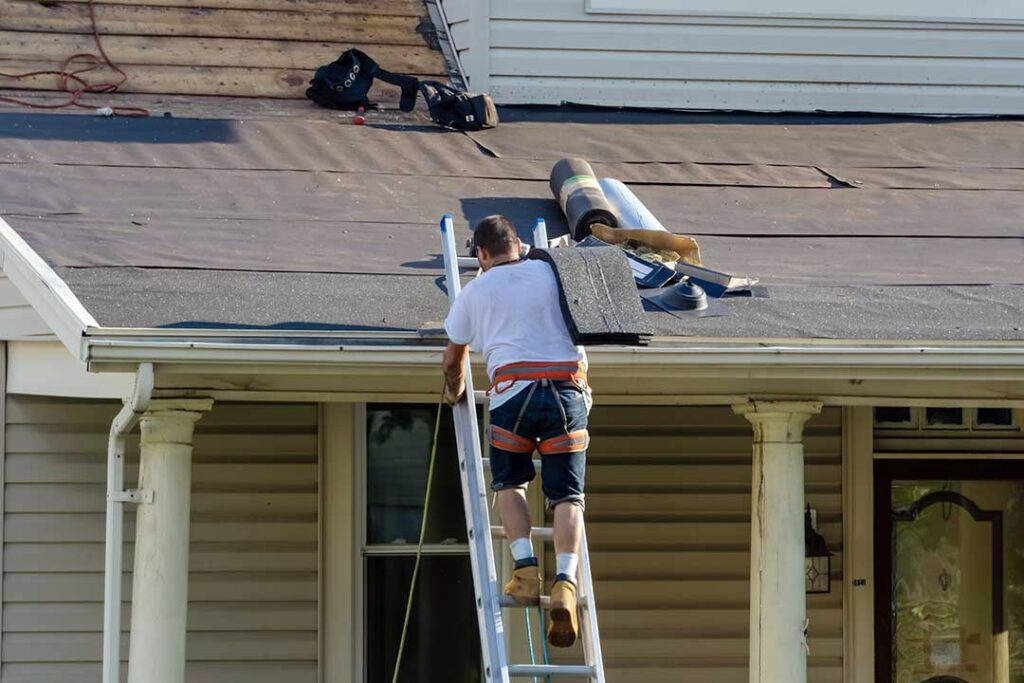
How Do You Know It's Time for a New Roof in Catalina Foothills, AZ?
Most area households eventually wonder if their roof is still dependable, especially after harsh weather or visible wear. In Catalina Foothills, unique desert conditions—intense summer heat, sudden monsoons, and seasonally gusty winds—mean roofs experience different stresses than in other climates. Knowing the signs that a roof is nearing the end of its useful life helps homeowners prevent costly water damage and preserve property value.
What Are the Most Common Roof Lifespans in the Area?
The lifespan of a roofing material depends on its type, local weather, and installation quality. In this region, the most typical residential roofs include:
- Asphalt shingles: Popular for affordability; usually last 15-25 years here, but sun exposure can shorten that range.
- Clay or concrete tiles: Common on Southwest-style homes; often last 40-50 years, but cracked or slipped tiles are not unusual after heavy storms.
- Flat roofs with foam or modified bitumen: Often last 20-30 years, but only with regular maintenance and prompt patching.
Homes exposed to continuous direct sunlight, minimal shade, or frequent high winds may see shorter intervals. If your roof is approaching these age ranges, an annual inspection becomes especially valuable.
Which Warning Signs Should Homeowners Watch For?
The first indicator is usually visual: look both from the ground and, where safe, from a ladder or through accessible attic spaces. Signs to check include:
- Curled, cracked, or missing shingles
- Consistent loss of granular coating (you may notice grains in gutters)
- Broken or displaced tiles
- Soft, spongy spots or obvious dips
- Streaks, dark patches, or moss where water lingers
- Light coming in through the attic, or visible water stains on interior ceilings
Spotting these problems early limits the risk of leaks and interior damage. Even if damage seems minor, the extreme summer sun and monsoon rains can quickly worsen issues that might be tolerated in different climates.
Do Invisible Issues Also Mean It's Time?
Some roofing issues aren’t easy to see from outside. Check for these less obvious problems:
- Sagging rooflines not easily visible from the street
- Persistent musty odors or unexplained humidity in the attic (could indicate hidden leaks)
- Repeated need for minor repairs in different places
- Noticeable increase in utility bills, suggesting insulation or ventilation problems from aging materials
Structural or leak-related problems can be especially common as roofing ages past its design life. Addressing hidden issues early avoids more disruptive repairs to drywall, insulation, or framing.
How Does the Local Climate Affect Roofing Lifespan?
Catalina Foothills’ hot, dry summers and strong sun can accelerate deterioration of common roofing materials, especially asphalt shingles. Monsoon storms deliver intense, short bursts of rain combined with wind, often revealing vulnerabilities not obvious during dry spells.
For example, even newer roofs sometimes lose tiles or develop leaks when wind-driven rain exploits an old flashing or lifted shingle. Roofs shaded by trees or facing north may develop moss or algae during wet seasons—even in the desert environment.
Homeowners new to the area may underestimate how quickly small cracks or slips in roofing can turn into significant leaks under monsoon conditions.
Is Age the Only Thing That Determines Replacement Needs?
Age is the main reason most Catalina Foothills roofs are replaced, but it isn’t the only factor. Sometimes repairs or replacements are needed sooner if:
- Extensive damage occurs during a storm
- Subpar installation or inadequate attic ventilation accelerates material failure
- Past repairs were temporary or addressed only surface-level issues
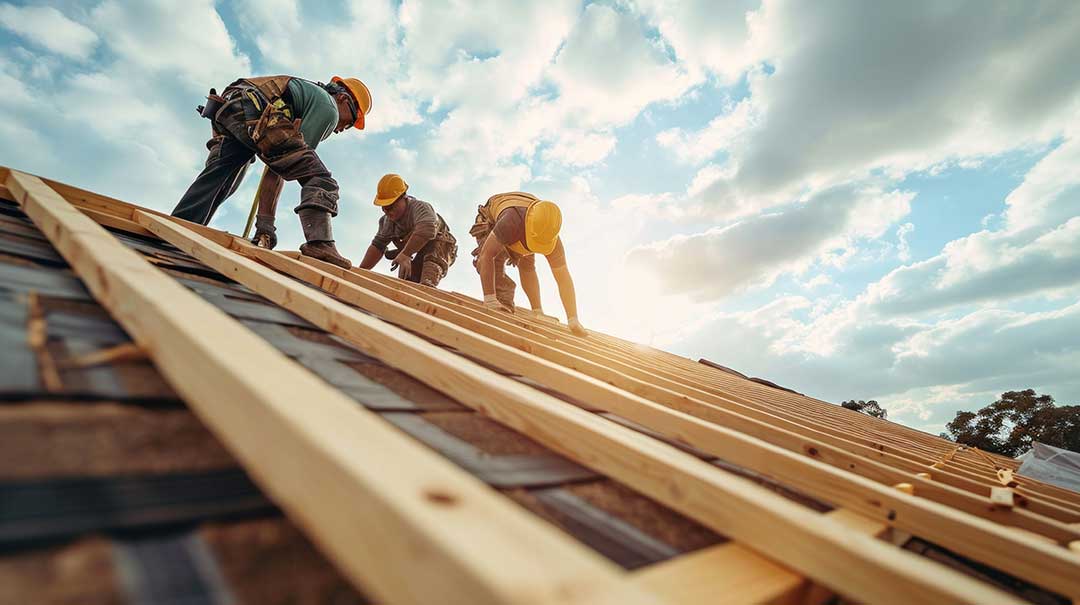
It’s also common for roof replacements to be timed with other major renovations, especially if changing the exterior look or improving energy efficiency.
Can Occasional Repairs Extend Roof Lifespan?
Small repairs can prolong a roof’s life—when issues are isolated, and the underlying structure is sound. But an increasing frequency or spread of problems, such as repairing leaks in several areas over a few years, often signals the need for more extensive work. Repeated patching may cost more long-term than timely replacement.
What Are Common Misconceptions About Roof Lifespan in This Area?
A few local myths persist:
- “Tile roofs never need replacing.” While tiles themselves last long, their underlayment will eventually fail, often around 20-30 years in the local climate.
- “Roofs only leak if you see water inside.” Early leaks often go unnoticed, especially if the attic is rarely examined.
- “Roofs can always be repaired instead of replaced.” In many cases, multiple repairs over a short period actually signal system-wide failure.
Knowing these common pitfalls helps residents make more informed decisions.
How Can Homeowners Safely Check Their Roof’s Condition?
Many checks can be done from the ground using binoculars, or by taking photos from a safe vantage. Entering attics on cooler mornings (with appropriate safety gear) helps spot daylight through the roof deck, water stains, or signs of mold. Avoid climbing on the roof without proper training or equipment, especially on steep or older surfaces.
Local regulations generally don’t require a formal inspection unless selling the property, but periodic self-checks and maintenance such as clearing leaves or debris from valleys and gutters can prevent many problems.
When Does Replacement Become a Priority for Safety or Insurance?
Replacement moves from “wise planning” to “urgent need” if:
- There are active leaks during rain (even if small)
- The roof deck feels soft when walked on (may indicate rot)
- Large parts of the roof are missing material or sag visibly
- Home insurance is jeopardized by the condition of the roof
Most local insurers expect homeowners to replace aging roofs per published material life expectancy, or they may refuse coverage for future leaks.