

 See My Latest Article on HelloNation
What Is a Roof Warranty and Why Does It Matter?
A roof warranty is a written promise covering specific types of roofing defects or failures for a set period. For homeowners in Catalina Foothills, warranties can offer peace of mind in the region’s hot, dry summers and occasional monsoon storms. Residents often want to know what protection these documents actually provide, and how they work in real-world scenarios.
A typical roof warranty may cover faulty materials, poor installation, or both, but every warranty is unique. Reading the fine print is essential since some only cover specific problems, and others come with strict maintenance responsibilities.
What Types of Roof Warranties Are Common in Catalina Foothills?
Two main types appear in local roofing projects:
- Manufacturer warranties: These guarantee the roofing materials themselves (such as shingles or tiles) against defects.
- Workmanship or installation warranties: These guarantee the quality of the installation work performed by the contractor.
Some projects may include both, while others may have only one. Residents should check which applies to their home, especially as local tile and flat roofing types may have differing coverage terms.
What Is Usually Covered — and What Isn’t?
Most manufacturer warranties cover premature failure of materials, such as cracked tiles or defective shingles. For example, if clay tile underlayment fails long before its expected lifespan due to a material flaw, it may be replaced under warranty.
Common exclusions include:
- Damage from extreme weather: Hail, high winds, or monsoon flooding are rarely covered unless explicitly stated.
- Improper maintenance: If recommended upkeep such as debris clearing is missed, warranty protection can be voided.
- Unauthorized repairs: Fixes done by anyone not authorized by the manufacturer or installer can lead to denied claims.
Some Catalina Foothills homeowners are surprised to learn that leaking after a major dust storm or from windblown debris may not be covered if it’s considered an “act of God.”
How Long Do Roof Warranties Last?
Coverage periods can vary widely:
- Material warranties may last 10, 20, 30 years, or sometimes even “lifetime”—but the definition of “lifetime” is set by the manufacturer and often limited to the first owner.
- Workmanship warranties from installers typically range from 1 to 10 years.
Flat roofs and clay tile systems, common in the region, tend to offer longer material warranties due to their durability, but shorter labor warranties because installation issues typically show up early. Always check if warranty periods are prorated (coverage reduces over time) or non-prorated.
What Voids a Roof Warranty?
Local residents occasionally face rejected claims due to actions or neglect that void coverage. Some leading causes include:
- Installing solar panels or satellite dishes without consulting the installer
- Failing to maintain gutters and roof surfaces
- Using the wrong type of paint or sealant
- Allowing foot traffic that damages roofing materials
Since homes in Catalina Foothills often feature rooftop equipment for cooling and ventilation, always verify how new installations affect the warranty.
How Are Roof Warranty Claims Handled in the Area?
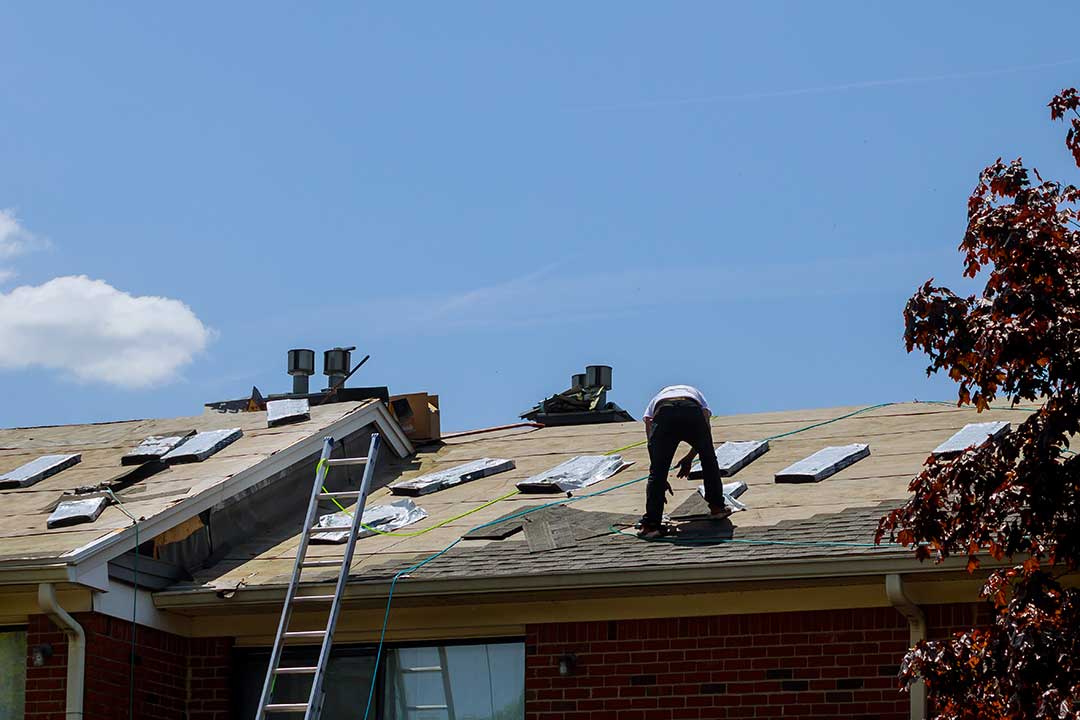
Most claims start with contacting the warranty holder or manufacturer, submitting a claim form, and scheduling an inspection. If the claim falls within the stated terms, repairs or partial replacements may be approved. Some steps to expect:
- Documenting the problem with photos, dates, and detailed descriptions
- Providing proof of compliance with scheduled maintenance, such as receipts or inspection records
- Allowing inspections by approved representatives, who may determine if the problem is covered
Some homeowners find that claims can be denied if regular checkups aren’t documented—so it helps to keep a file of any maintenance or repairs done since the roof was installed.
Are Roof Warranties Transferable if a Home Is Sold?
Transferability is a frequent question from area homeowners, especially given the mobility of residents. Some material warranties can be transferred to new owners once (usually within a limited time), but this often requires filing paperwork and paying a transfer fee. Not all warranties follow the home—some terminate when the property changes hands.
If selling a home in Catalina Foothills, having a transferable roof warranty can be appealing to buyers, but both seller and buyer should verify details to avoid misunderstandings. Failing to formally transfer the warranty often means new owners have no coverage.
What Should Residents Ask Before Relying on a Roof Warranty?
A few practical questions can help avoid surprises:
- Is the coverage prorated or non-prorated?
- What is specifically included—and clearly excluded?
- What regular maintenance is required to keep the warranty valid?
- Who performs repairs under warranty—an approved local contractor or anyone?
- Is there a claim deductible, fee, or process requirement?
Asking early—before installation or purchase—saves future frustration.
Common Misconceptions About Roof Warranties
Area households sometimes believe all damage is covered, or that “lifetime” literally means forever. In practice, warranties offer targeted, limited protection and usually require homeowners to follow specific care instructions.
Local misconceptions include thinking any water leak is automatically covered, or that routine cleaning and minor repairs don’t affect warranty status. In Catalina Foothills, with its strong sun and occasional heavy storms, routine oversight is key to keeping coverage in force.