

 See My Latest Article on HelloNation
How Does Climate in Catalina Foothills, AZ Affect Roofing Choices?
Roofing materials behave differently depending on the local climate, home styles, and homeowner priorities in Catalina Foothills, AZ. The area’s intense summer heat, strong sunlight, sudden monsoon storms, and temperature swings put unique demands on roofs. Some materials handle these local patterns better than others, so understanding the trade-offs helps residents make informed decisions.
What Are the Strengths and Weaknesses of Asphalt Shingles?
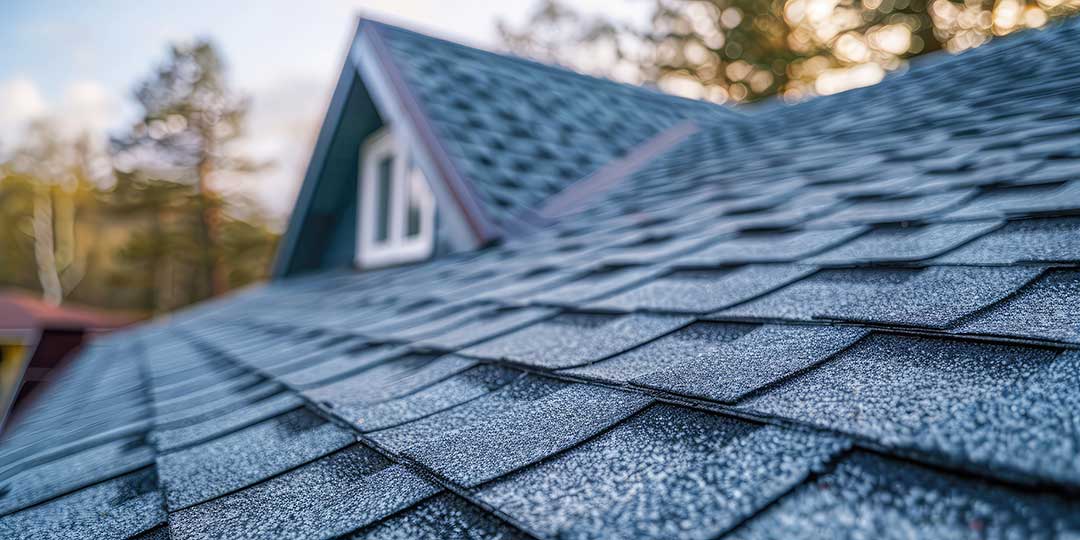
Asphalt shingles are widely used throughout Catalina Foothills because they’re affordable and familiar. Many area homes, especially those built in the past several decades, have this type of roof.
Strengths:
- Cost-effective for initial installation
- Readily available in a variety of styles and colors
- Relatively easy to repair or replace sections when damaged
Limitations:
- Standard asphalt shingles can become brittle and degrade quickly in prolonged sun and heat, shortening their expected lifespan in the area
- May be prone to algae or mildew buildup after monsoon rains if ventilation is poor
- Generally lasts 15–20 years locally, often less if ventilation is inadequate
Local note: Homeowners should be aware that light-colored shingles tend to reflect heat a bit better, potentially reducing attic temperatures.
Are Tile Roofs a Good Fit for Catalina Foothills Homes?
Clay and concrete tile roofs are commonly seen in the region, especially on homes with southwest architectural influence. They are well suited to the city’s intense climate.
Strengths:
- Excellent resistance to UV, fire, and harsh weather extremes
- Last 40–70 years or longer when installed correctly
- Help naturally insulate homes, keeping indoor temperatures more stable in the brutal summer heat
Limitations:
- Heavier than most other options; some older structures may require reinforcement
- More expensive upfront, both for materials and installation
- Individual tiles can crack if walked on or from impact, which can require careful replacement
Practical tip: Regular checks after monsoon season can catch minor cracks before underlayment is exposed.
How Does Metal Roofing Perform in Catalina Foothills?
Metal roofing—usually steel, aluminum, or copper—has gained popularity due to its durability and heat resilience. It can be found on both modern custom homes and older buildings undergoing upgrades.
Strengths:
- Highly reflective coatings reduce heat absorption, helping with energy costs in the summer
- Resists wind, fire, and rapid storm drainage
- Life expectancy of 40–60 years, sometimes longer with proper care
Limitations:
- Higher initial investment than asphalt shingles
- Can be noisy during heavy rain or hail unless insulation is adequate
- Styles and panel seams may not appeal to all architectural preferences
Misconception alert: Some believe metal roofing makes homes hotter, but most modern finishes are engineered for solar reflectivity and do the opposite.
What Should Homeowners Know About Foam Roofing?
Spray polyurethane foam (SPF) roofing is frequently used on flat or low-slope roofs, which are common in the city. This method provides a seamless, energy-efficient layer.
Strengths:
- Exceptional insulation value, helping to maintain consistent indoor temperatures
- Seamless application reduces leak risks from wind-driven rain
- Lightweight and adaptable to unusual roof shapes
Limitations:
- Requires professional application and periodic recoating, typically every 5–10 years, to maintain waterproof seal
- Vulnerable to damage from foot traffic and tree branches if not protected with a quality coating
- Not as fire resistant as clay tile or metal unless topped with an approved coating
Maintenance tip: Keeping the outer coating in good condition extends the life and performance of foam roofs dramatically.
How Do Wood Shake and Wood Shingle Roofs Fare in the Region?
Wood shake roofs give homes a rustic appearance but are rare in Catalina Foothills due to fire concerns and local climate challenges.
Strengths:
- Natural look and unique curb appeal
- Insulating properties help moderate attic temperatures
Limitations:
- High risk of fire, which limits their use in many desert communities
- Require regular treatment to resist mold, rot, and insects
- Sun exposure hastens wear, often leading to cupping and splitting
Important note: Many insurance policies and local fire codes do not allow new wood shake roofs. Even where permitted, ongoing treatment and fire-resistant modifications are necessary.
What About Flat and Built-Up Roof Types?
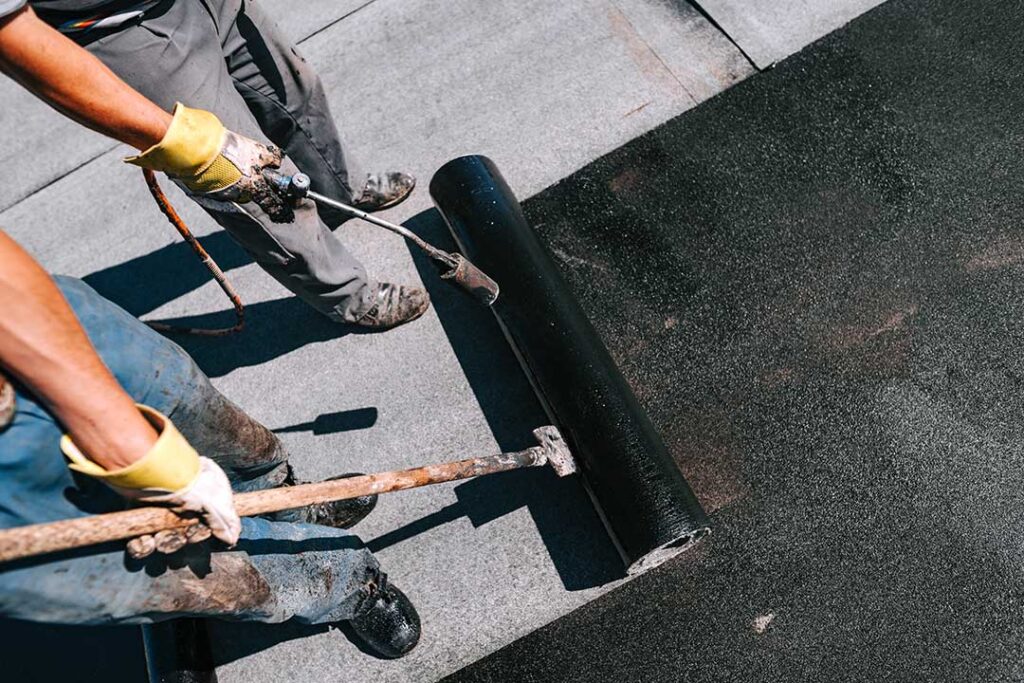
Flat roofs are regular sights on many block and stucco homes around Catalina Foothills. Built-up roofing (BUR), using layers of tar and gravel, is a common flat roof type.
Strengths:
- Solid performance on flat and low-slope surfaces traditional for desert architecture
- Gravel topping protects from UV rays and helps with water runoff control
Limitations:
- Can be heavy, requiring robust support
- Tends to be more vulnerable to leaks at seams and around drains if not maintained
- The surface can get very hot in summer, impacting adjacent outdoor spaces
Tip: Annual inspections after monsoon season often spot issues long before leaks develop inside.
How to Balance Cost, Longevity, and Appearance?
Deciding on the best roofing material usually involves balancing several factors: upfront costs, expected lifespan, efficiency, style, and maintenance requirements. Not every material that performs well elsewhere excels under the sunlight, wind, and rain patterns unique to this region.
Consider:
- Tile and metal generally last the longest but cost more at installation.
- Asphalt and BUR are more affordable upfront but may need earlier replacement.
- Insulation value is crucial for energy bills given the temperature swings in the area.
- Local architectural style and neighborhood covenants may influence choices as well.
Taking even a brief walk around a Catalina Foothills neighborhood helps residents see the range of practical solutions residents have chosen to address these real-world trade-offs.