

 See My Latest Article on HelloNation
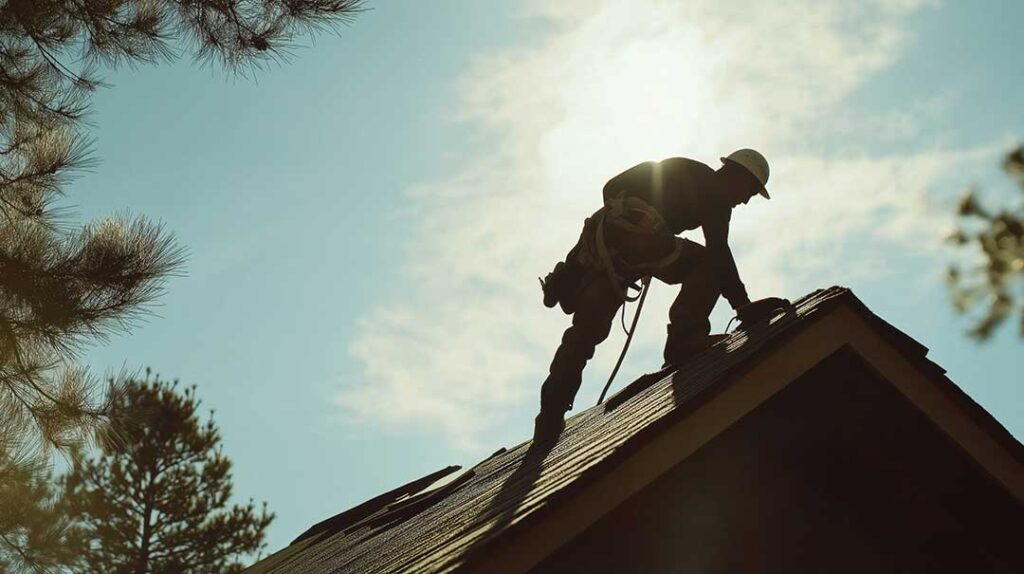
Why Roof Longevity Matters in Catalina Foothills, AZ
Extending a roof’s lifespan is a smart, cost-saving approach for area households. A well-maintained roof shields homes from intense sun, monsoon storms, and occasional winter frosts that define Catalina Foothills. Proactive care helps local residents avoid unnecessary repairs and delays the need for replacement.
Roofs in the city face unique stresses: repeated summer heatwaves and periodic winds carrying dust and debris. Awareness of these factors helps residents understand why routine upkeep pays off over time.
What Common Problems Shorten Roof Life Here?
Even durable roofing materials can experience early aging if local conditions are ignored. In this part of Arizona, issues such as:
- Blistering and cracking from prolonged, intense sunlight
- Granule loss or fading on roofs with asphalt shingles
- Debris accumulation in valleys and along gutters, especially after summer monsoons
- High winds dislodging tiles or shifting roofing materials
Knowing these risks helps area residents spot warning signs before they worsen.
How Often Should Residents Inspect Their Roof?
Twice-yearly visual inspections—once before summer and again after monsoon season—are ideal for Catalina Foothills homes. This allows homeowners to:
- Check for sun-induced cracks, curling, or exposed underlayment
- Spot and remove wind-blown branches or debris that may trap moisture
- Verify drainage paths in gutters and around roof features are clear
- Look for missing or loose tiles following bouts of strong wind
Quick roof checks after major storms also help catch new issues right away.
What Maintenance Can Residents Safely Perform Themselves?
Careful self-maintenance goes a long way. Residents can:
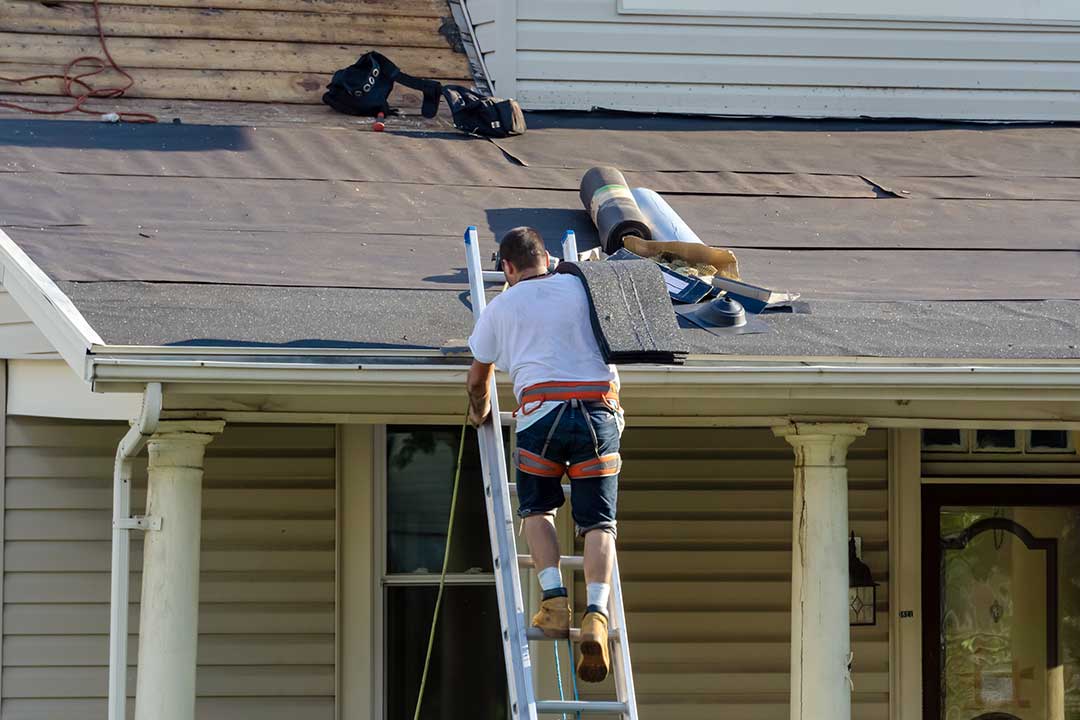
- Clear leaves, twigs, and blown dirt from roof surfaces and gutters using a stable ladder—always maintaining safety by avoiding steep or slippery areas
- Use a garden hose to gently rinse away dust (be cautious of water use restrictions during drought years)
- Trim overhanging branches that deposit debris or rub against roofing materials. Avoid letting vegetation touch the roof, as it can accelerate wear.
- Inspect the attic for signs of leaks, water stains, or daylight showing through the roof boards
Any maintenance that involves climbing or walking on a pitched roof should only be attempted if it can be done safely.
How Can Local Climate Affect Roof Materials?
Roofs in this desert foothill region bear the brunt of UV rays, which can cause some materials to weaken faster than others. For example:
- Asphalt shingles may lose flexibility and shed surface granules more rapidly under constant heat
- Clay or concrete tile holds up well but requires periodic checking for cracked or slipped pieces, especially after hail or strong winds
- Underlayments beneath tiles degrade in sunlight, especially if exposed due to displaced tiles
Materials that are more reflective and resistant to thermal expansion tend to fare better in Catalina Foothills’ climate.
Are Routine Professional Inspections Ever Necessary?
Though many maintenance tasks are feasible for the average homeowner, professional inspections help in cases involving:
- Suspected damage to roof structure or decking, such as sagging areas or visible rot
- Older roofs nearing the end of typical lifespan (typically 15-30 years, depending on material)
- Signs of widespread water stains, especially after severe monsoon storms
Arizona building codes require roofs to meet certain safety and energy standards; ensuring compliance may sometimes warrant an expert’s guidance.
What Everyday Habits Help Protect My Roof?
A few small, common-sense habits extend roof life:
- Gently knock down any early signs of bird nests or insect hives around eaves and vents, as these block drainage and ventilation
- Keep outdoor equipment (like satellite dishes or solar panels) securely installed to prevent loosening during wind events
- Monitor indoor humidity, especially in tightly sealed homes, to prevent attic condensation—excess moisture from inside can cause roofing components to degrade from below
Awareness of these everyday threats can make a significant difference across the years.
How Does Proper Ventilation and Insulation Make a Difference?
Well-ventilated and insulated attics help keep roofing systems stable:
- Ventilation prevents heat buildup, which can bake shingles or tiles from underneath and contribute to premature failure
- Insulation balances indoor temperatures, reducing freeze-thaw cycling during the colder winter nights that occasionally affect the city
Area homes with balanced ventilation and insulation experience fewer temperature-related roof issues.
What Are Signs a Roof May Need More Than Just Maintenance?
Some problems suggest attention beyond DIY maintenance, including:
- Recurring leaks that return after patching, possibly pointing to hidden damage
- Sections of roof that appear to sag or feel soft under gentle pressure (from inside the attic)
- Large areas of missing tiles or severe granule loss across wide sections
In these cases, underlying issues may require a closer look to prevent further deterioration.
By understanding the needs of roofs in Catalina Foothills and making roof care a part of household routines, local residents can extend the lifespan of their roofs while avoiding the most common causes of early wear.