

 See My Latest Article on HelloNation
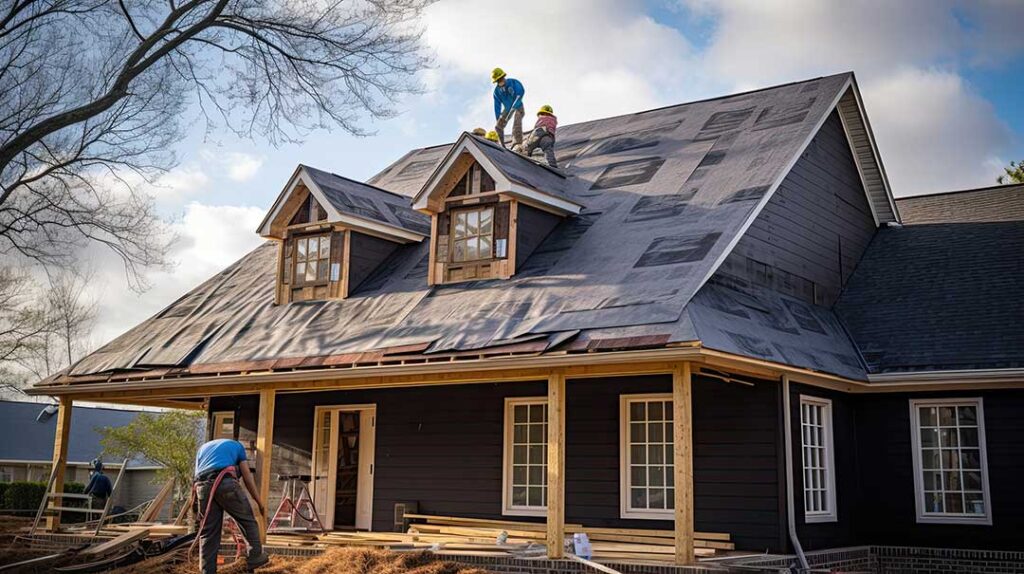
Why tree limbs deserve attention in Catalina Foothills, AZ
Tree limbs can damage a roof through impact, abrasion, trapped moisture, clogged drainage, and access for pests. The risk is not limited to large branches falling during a storm; smaller limbs that repeatedly rub against roofing materials can also shorten roof life.
Homes in Catalina Foothills often have mature desert-adapted trees, ornamental plantings, and larger lots with vegetation near rooflines. Seasonal wind, intense sunlight, dry conditions, and occasional heavy rain can make roof-and-tree maintenance especially important. A tree that appears healthy may still have weak, dead, or poorly supported limbs above a home.
What types of roof damage can tree limbs cause?
The type of damage depends on the limb’s size, position, movement, and the roofing material beneath it.
Impact damage
A falling limb can crack, puncture, or dislodge roofing materials. On shingle roofs, the impact may break individual shingles, expose the underlayment, or damage the roof deck below. On tile roofs, a branch can crack tiles or knock them out of position, creating openings where rainwater can enter.
Larger limbs may also damage:
- Roof edges and fascia boards
- Flashing around walls, vents, and chimneys
- Gutters and downspouts
- Skylights or roof-mounted equipment
- Eaves, patios, and attached structures
Even when the roof does not visibly collapse or leak immediately, impact can create concealed damage that becomes more serious during the next rain.
Abrasion from moving branches
Branches do not need to fall to cause problems. In windy conditions, limbs that repeatedly scrape across shingles, tile, metal, or roof coatings can wear away protective surfaces.
This movement may:
- Remove granules from asphalt shingles
- Crack or loosen tile
- Scratch protective finishes on metal roofing
- Damage roof coatings
- Rub against flashing or vent components
A branch touching the roof on a calm day may move several inches or more during gusts. Repeated friction is often gradual, so the damage may be overlooked until a leak appears.
Moisture and debris buildup
Leaves, needles, bark, and small twigs can collect in roof valleys, behind vents, and along wall intersections. These materials may hold moisture against the roof surface after rain.
In a dry climate, debris can also form a dense layer that blocks water from flowing toward the edge of the roof. When water backs up, it may move beneath shingles or around flashing. Organic debris can also break down into fine material that settles inside gutters and downspouts.
Can small branches really cause a roof leak?
Yes. A small branch can cause a leak if it punctures a roofing material, dislodges a tile, damages flashing, or rubs through a vulnerable area. A leak does not always occur directly beneath the visible branch damage, because water can travel along the roof deck, framing, or insulation before appearing indoors.
Warning signs may include:
- Water stains on ceilings or upper walls
- Damp insulation in an attic or roof cavity
- Peeling paint near ceiling edges
- Drips that appear only during wind-driven rain
- Loose or missing shingles
- Cracked, shifted, or freshly broken tiles
- Granules collecting in gutters or near downspouts
A delayed leak is common. A limb may damage the roof during a dry period, while the first noticeable interior stain appears weeks or months later during rainfall.
Which parts of a roof are most vulnerable?
Roof areas near trees deserve closer observation, but certain features are especially susceptible to limb-related damage.
Roof valleys collect water and debris, making them vulnerable to blocked drainage. Edges and eaves can be damaged when branches fall or swing against fascia and gutters. Flashing around vents, walls, skylights, and other penetrations may bend or separate after contact.
Flat and low-slope roof sections can also collect leaves and twigs more readily than steep surfaces. Debris may remain in place until rain moves it toward drains or scuppers. If those drainage points become blocked, water may pond or overflow toward walls and roof edges.
Tile roofs have a specific concern: a branch may crack one tile while leaving surrounding tiles apparently undisturbed. Walking on the roof to inspect the area can cause additional breakage, so visual inspection from the ground or a safe access point is preferable unless the situation requires a qualified roof assessment.
How can residents identify risky tree limbs?
The most concerning limbs are not always the largest. Look for branches that extend over the roof, rest on roofing materials, or are positioned above frequently used walkways and roof edges.
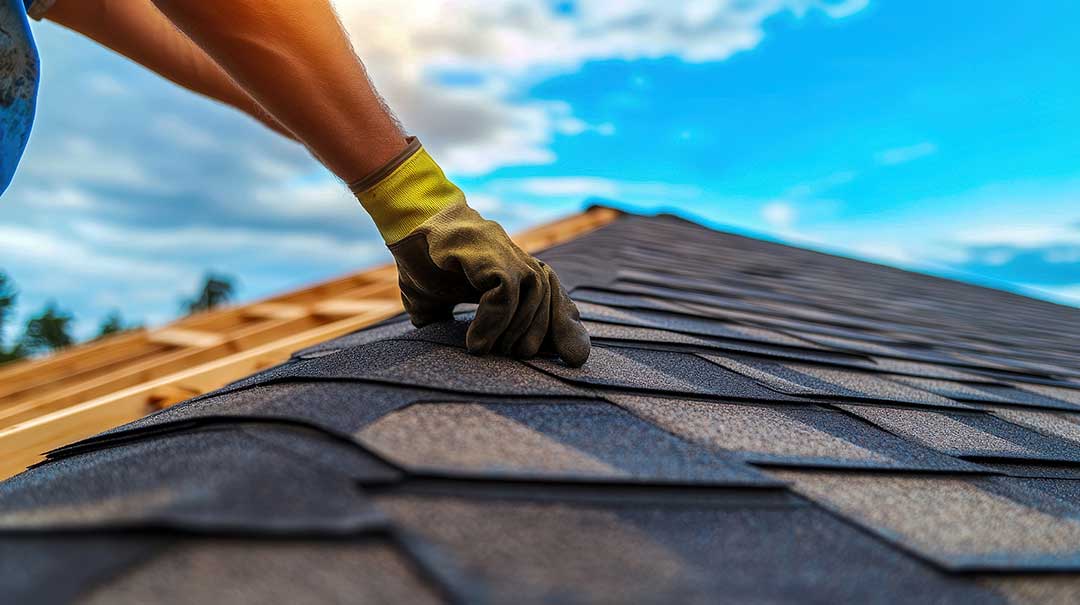
Possible warning signs include:
- Dead or leafless branches within the canopy
- Cracks where a limb joins the trunk or a larger branch
- Hanging branches after high winds
- Bark cavities, decay, or visible hollow areas
- Limbs that rub against the roof during ordinary breezes
- Branches growing into gutters, vents, or utility connections
- Heavy growth concentrated at the end of a long, slender limb
- Freshly broken wood or exposed splintering
A tree can remain green and appear healthy while carrying a structurally weak limb. Weight from wet foliage, accumulated debris, or a new split can increase the chance of failure.
Should branches touching the roof be removed?
Branches that touch or regularly sweep across the roof should generally be addressed, but removal is not a do-it-yourself task when the limb is large, elevated, under tension, close to electrical lines, or positioned above a structure.
Cutting a limb incorrectly can cause it to swing, split, or fall unexpectedly. Removing too much live growth can also weaken a tree or create excessive sun exposure on previously shaded areas. The goal is not to strip trees away from a property, but to maintain adequate clearance and reduce contact with vulnerable roof features.
Pruning decisions may also be affected by property rules, protected-tree requirements, or utility safety regulations. The exact requirements depend on the property and the type of tree work involved.
What should happen after a branch falls on the roof?
Start with safety. Do not climb onto the roof to move a large limb, and do not approach branches that have contacted electrical lines. Keep people away from the area until the hazard is understood.
From the ground, look for obvious signs such as a sagging roof section, displaced tiles, broken shingles, damaged gutters, or hanging material. Inside the home, check ceilings and upper walls for active water entry. If water is near electrical fixtures, avoid the affected area and use appropriate emergency precautions.
A temporary container under a drip may limit interior damage, but it does not repair the roof. Photographs taken from a safe location can help document what happened, especially when the damage is not immediately visible from inside the home.
How can tree-related roof damage be reduced?
Prevention involves both tree care and roof observation. During routine property checks, inspect roof areas near mature trees, clear loose debris from accessible gutters, and watch for branches that are beginning to contact roofing materials.
Useful habits include:
- Checking trees after strong winds or unusually heavy rain
- Observing whether limbs move against the roof
- Keeping roof valleys and drainage points free of loose debris when safely accessible
- Looking for cracked tile, missing shingles, or damaged flashing from the ground
- Avoiding storage of dry branches and leaves against exterior walls or roof edges
- Keeping combustible vegetation and accumulated debris away from vulnerable roof areas
Trees provide shade, habitat, and visual character, so the objective is balanced maintenance rather than removing every tree near a home. Prompt attention to rubbing branches, dead limbs, and blocked drainage can prevent a minor roof concern from becoming an interior water problem.