

 See My Latest Article on HelloNation
Does hurricane season affect Catalina Foothills, AZ?
Yes, although the community is inland and far from a coastline. Tropical systems that move inland or weaken over mountains can still bring heavy rain, sudden wind gusts, lightning, and flash-flooding conditions. The National Weather Service notes that remnants of tropical storms and hurricanes have affected southern Arizona, sometimes producing serious flooding even after the original storm has weakened. ([weather.gov](https://www.weather.gov/twc/tropical?utm_source=openai))
For roofing, the main concerns are usually not storm surge or sustained hurricane-force winds. They are:
- Wind-driven rain entering through existing roof weaknesses
- Loose or missing shingles and tiles
- Blocked drainage paths
- Damaged flashing around roof penetrations
- Falling branches and airborne debris
- Water collecting near walls, patios, garages, or foundations
The eastern Pacific hurricane season officially runs from May 15 through November 30. Preparation is also useful during the local summer storm period, when intense rainfall and erratic wind can affect individual neighborhoods with little warning. ([cpc.ncep.noaa.gov](https://www.cpc.ncep.noaa.gov/products/Epac_hurr/Background.html?utm_source=openai))
What should be checked on the roof before storm season?
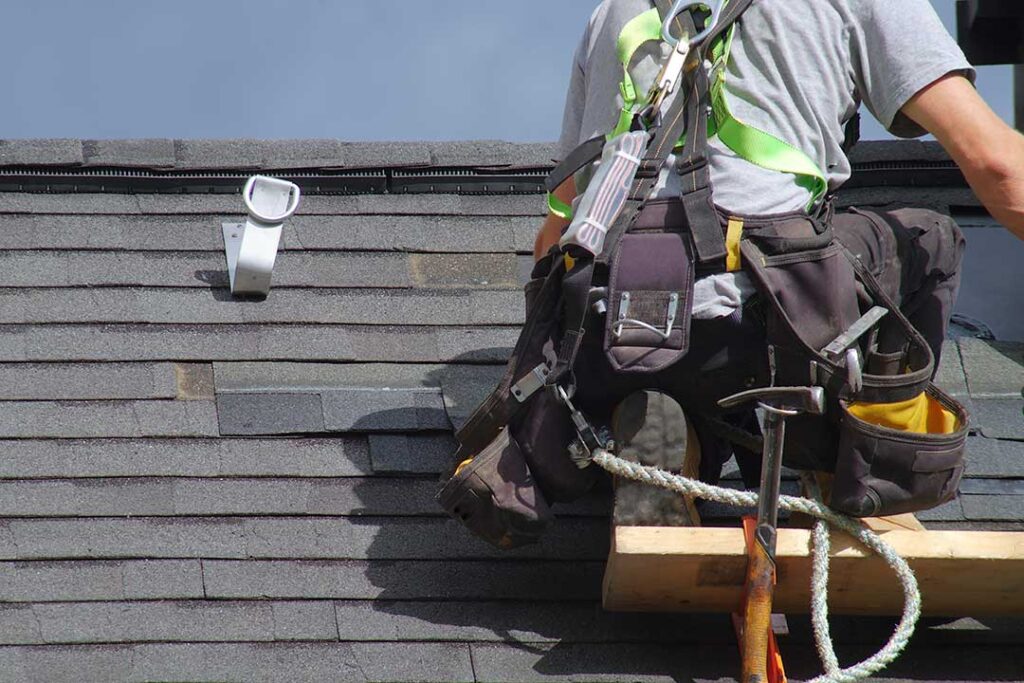
Start with a ground-level inspection, then arrange a closer inspection only if the roof can be accessed safely. Look for changes that may allow wind or water to get underneath the roofing material.
From the ground, check for:
- Missing, cracked, curled, or lifted shingles
- Broken, slipped, or visibly displaced roof tiles
- Loose metal edging or exposed fasteners
- Sagging roof sections
- Dark stains, damaged paint, or bubbling on exterior soffits
- Debris collecting in valleys or behind roof features
- Daylight visible through the attic or roof deck
A roof does not need to look severely damaged to leak during a wind-driven storm. Small openings around flashing, vents, skylights, chimneys, and wall-to-roof transitions can admit water when rain is pushed sideways.
Avoid walking on steep, wet, brittle, or tile-covered surfaces. Roofing materials can become slippery, and stepping on the wrong part of a tile may create damage that was not visible from the ground.
Why do flashing and roof penetrations deserve special attention?
Flashing is designed to redirect water around joints and interruptions in the roof surface. It is commonly installed around vents, pipes, skylights, chimneys, parapet walls, and roof-to-wall intersections.
These areas deserve careful attention because they contain seams, changes in elevation, or sealants that can deteriorate over time. Look for:
- Lifted or separated metal flashing
- Cracked sealant around pipe boots
- Gaps at wall intersections
- Rusted fasteners or loose counterflashing
- Damaged vent covers
- Deteriorated rubber or flexible collars around pipes
Do not cover a suspected leak with layers of caulk as a permanent solution. Sealant may temporarily reduce water entry but can also conceal the actual source of a leak. A damaged flashing assembly may require correction rather than surface coating.
How should gutters, scuppers, and downspouts be prepared?
Roof drainage should be clear before heavy rain arrives. Even homes without traditional gutters need functioning valleys, scuppers, drains, and downspouts.
Remove leaves, desert vegetation, dirt, gravel, and other debris from drainage paths. Then check whether:
- Gutters are pulling away from the fascia
- Downspouts are firmly connected
- Water can flow through the full length of the system
- Downspouts discharge away from walls and foundations
- Scuppers and roof drains are free of obstructions
- Ponding remains after normal rainfall
FEMA recommends routine inspection of gutters and downspouts, tightening loose connections, and directing water away from the building. ([fema.gov](https://www.fema.gov/sites/default/files/documents/fema_p-2181-fact-sheet-3-3-1-roof-systems-sloped-roofs.pdf?utm_source=openai))
In sloped areas, concentrated runoff can move quickly and carry mud, gravel, or plant debris toward roof drains. Keeping drainage outlets clear is especially important where a blocked path could force water beneath roofing materials or against exterior walls.
Should trees and outdoor objects be included in roof preparation?
Yes. A roof can be damaged by objects that are not part of the roof itself.
Inspect trees near the home for dead, split, or weak limbs. Branches that overhang the roof can scrape roofing materials during gusts or fall onto the roof during a storm. FEMA also recommends trimming damaged tree limbs and securing loose outdoor objects that could become windborne debris. ([fema.gov](https://www.fema.gov/sites/default/files/2020-11/fema_protect-your-property_severe-wind.pdf?utm_source=openai))
Before a storm, secure or store:
- Patio furniture
- Lightweight planters
- Trash and recycling containers
- Decorative items
- Ladders and tools
- Shade structures and removable covers
- Loose construction materials
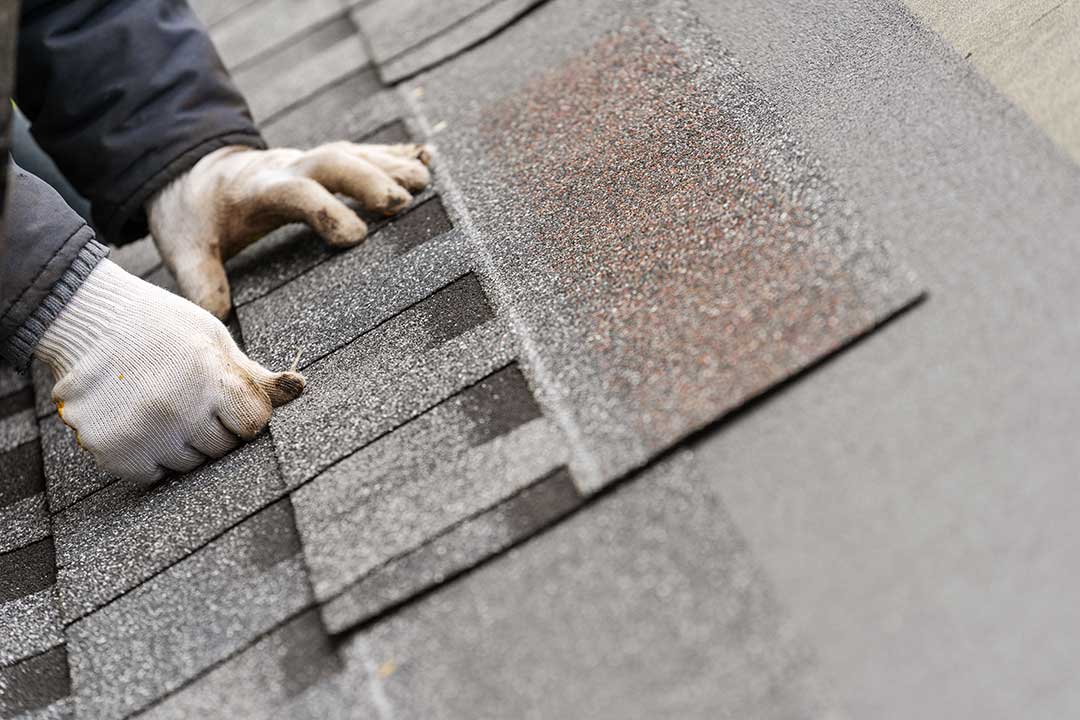
Do not place heavy objects on a roof to hold down shingles, tiles, or protective coverings. This can damage the roof deck and create a separate hazard.
What should homeowners inspect in the attic?
An attic inspection can reveal problems that are difficult to see from outside. Use a flashlight and look for:
- Damp insulation
- Water stains on rafters or roof decking
- Mold-like growth
- Rust around fasteners
- Small holes or daylight
- Wet electrical components
- Wind moving through areas that should be enclosed
Check the attic after heavy rain as well as before storm season. A roof may leak only when wind pushes rain from a particular direction.
Do not touch wet wiring, electrical equipment, or standing water near electrical components. Those conditions require immediate caution and may involve hazards beyond the roof itself.
What should be done if a storm is approaching?
Complete routine roof work well before the first warning. Once strong winds or heavy rain begin, climbing onto the roof becomes unsafe.
Before severe weather arrives:
- Move loose items away from the home
- Clear visible debris from accessible drainage areas
- Close and secure doors, windows, and garage openings
- Photograph the roof and exterior for household records
- Review insurance documents and understand deductibles
- Keep tarps, buckets, towels, and basic cleanup supplies available
- Monitor official weather alerts rather than relying on social media reports
Do not attempt emergency roof repairs during lightning, high winds, or active rainfall. A temporary covering should only be installed when it can be done safely from the ground or by trained personnel using proper fall protection.
What should be checked after a tropical storm or severe wind event?
Inspect from the ground first. Look for displaced roofing materials, fallen branches, damaged vents, broken tiles, detached gutters, and water entering the attic or living areas.
If a leak is active, place containers under drips and move valuables away from the affected area if it is safe. Avoid cutting into ceilings unless there is an immediate danger from a bulging ceiling or trapped water; concealed electrical wiring may be present.
After the storm, do not assume that a roof is sound simply because no materials are visible on the ground. Wind can loosen fasteners or lift edges without removing an entire section. Document damage with photographs, note the date, and keep records of temporary measures.
The most useful preparation is a calm inspection of the roof’s weak points, drainage system, nearby trees, and attic before severe weather makes those checks dangerous.